
Pieces to the Behavior Puzzle
When clients reach out to us about their dog, it is most often due to concerns about unwanted behaviors—such as house-training challenges, nipping, or issues related to fear, anxiety, or aggression. While many of these challenges can be prevented through early training and guidance with a new puppy or adult dog, proactive education is often overlooked.
During our initial consultation, we spend approximately 90 minutes to two hours thoroughly assessing the dog and the household dynamics. From there, we identify which pieces are missing and provide clear, actionable recommendations that can be implemented immediately to begin reducing—and in some cases resolving—the presenting concerns. When only some of these pieces are put into place, it is common to see only some improvement.
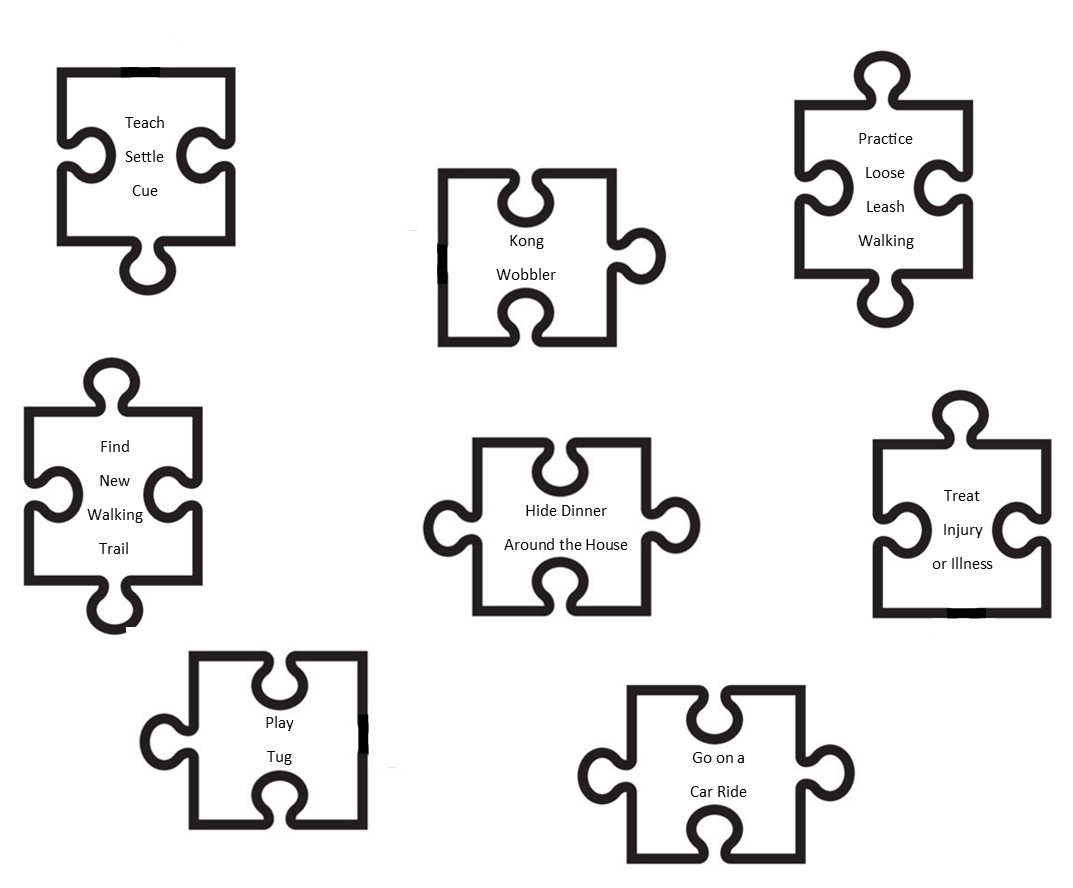
Effective dog training extends well beyond teaching basic cues or attempting to “fix” behaviors in isolation. A truly successful approach is holistic, recognizing the dog as a whole and addressing the interconnected needs of mind, body, and emotional well-being. This includes the use of positive reinforcement, an understanding of canine body language and communication, attention to environmental and emotional factors such as nutrition, stress levels, and appropriate exercise, and—most importantly—the development of trust between dog and guardian.
As these pieces come together, clients begin to see meaningful changes: reduced, calmer behavior, and a dog who is more content, confident, and enriched.
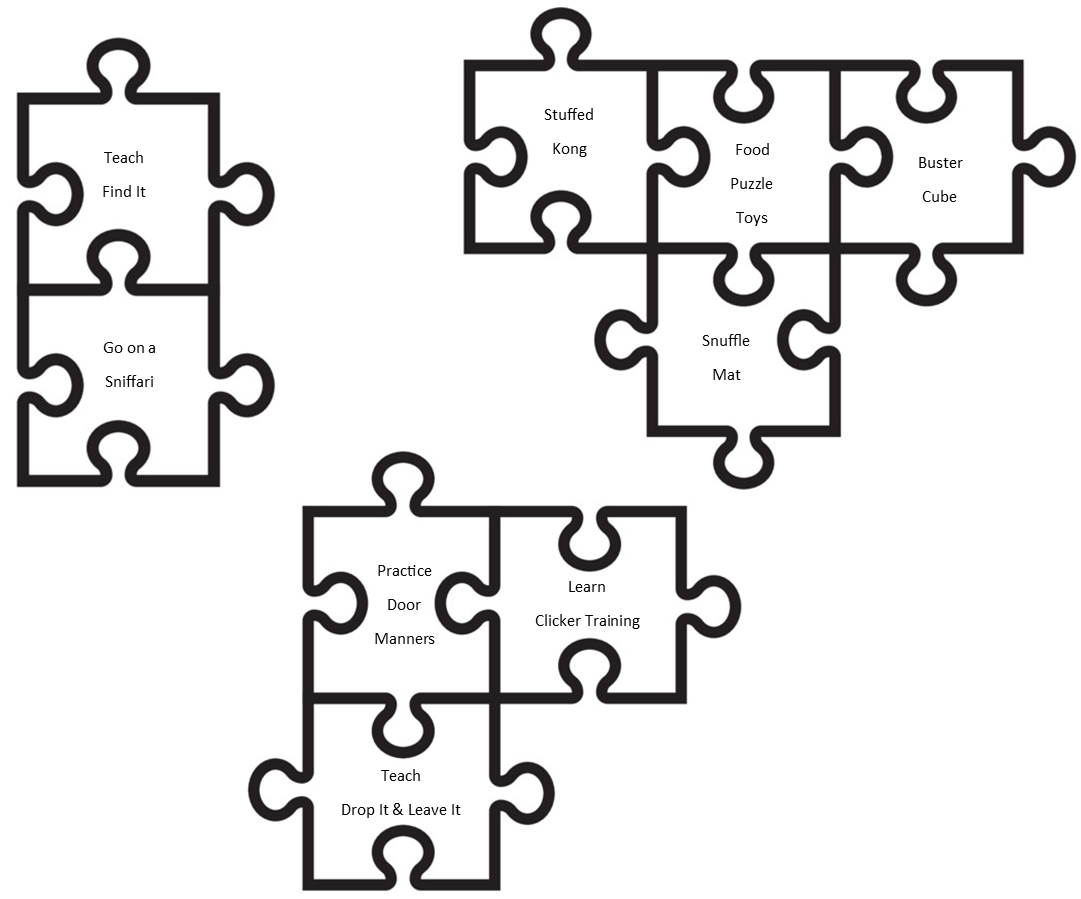
Each recommendation we make represents an important piece of the puzzle - each essential on their own - but most effective when put together, forming a complete approach that fosters lasting behavioral change.
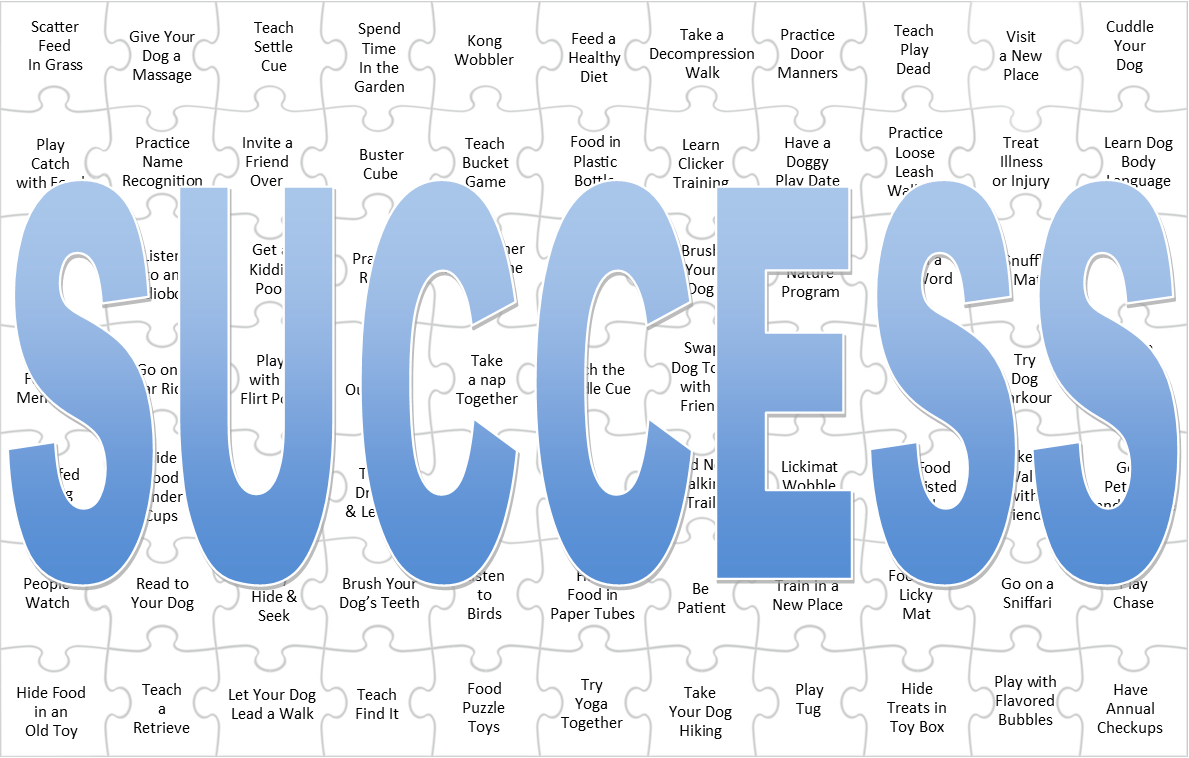
The greatest success occurs when all of these components are consistently implemented, revealing the larger picture—a symbiotic bond built on meeting a dog’s physical, mental, and emotional needs; communicating in ways they can understand; and reinforcing behaviors with kindness and clarity. When a dog trusts that their human will protect them, listen to them, and create positive outcomes, cooperation becomes natural and the relationship evolves into a true partnership.